
Written by: Dr. Monica Wasfy
I frequently see patients with a perplexing combination of heavy, swollen, painful legs and nagging lower back pain. While many blame weight or posture, it’s crucial to consider lipedema, a often-overlooked chronic fat disorder.
What is Lipedema?
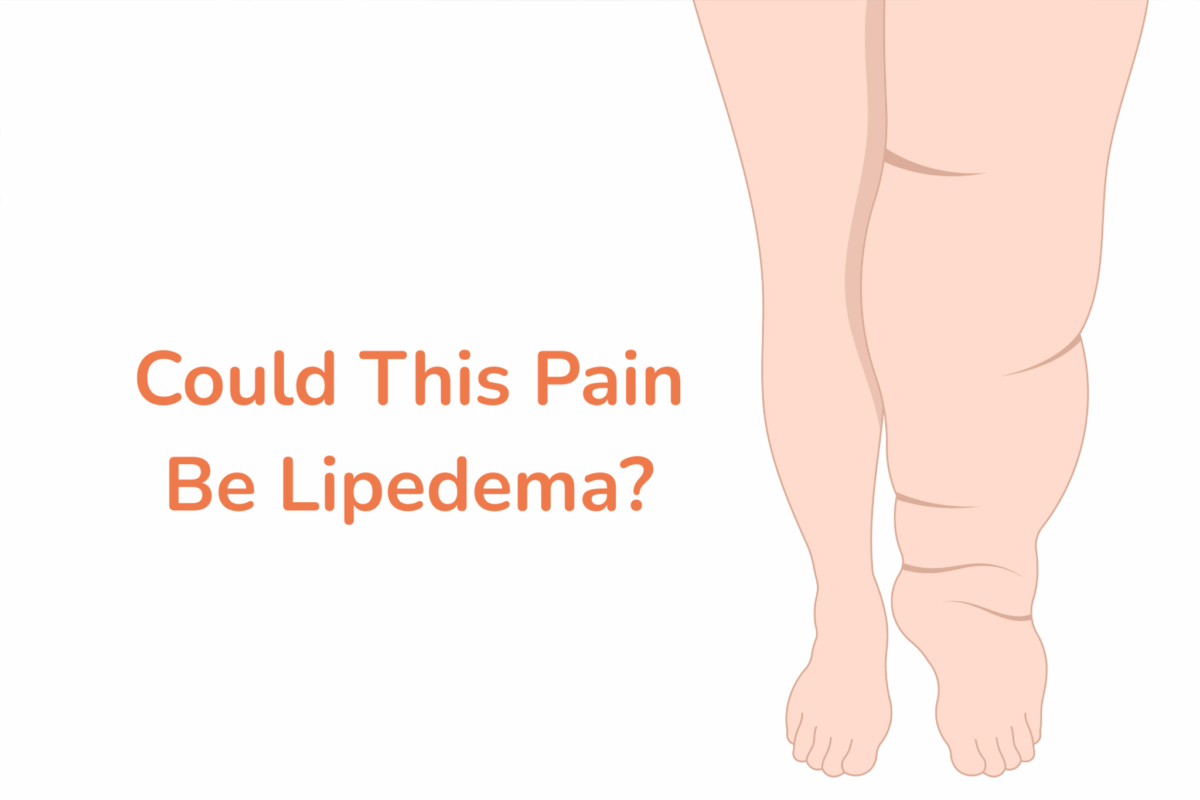
Lipedema isn’t just “fat you can lose.” It’s an abnormal, symmetrical fat buildup primarily in the thighs, hips, and buttocks, sometimes the arms, with hands and feet remaining slim. This fat is painful to touch, doesn’t respond to typical diet/exercise, and is linked with swelling, bruising, and constant discomfort.
The Connection: Legs, Movement, and Back Pain.
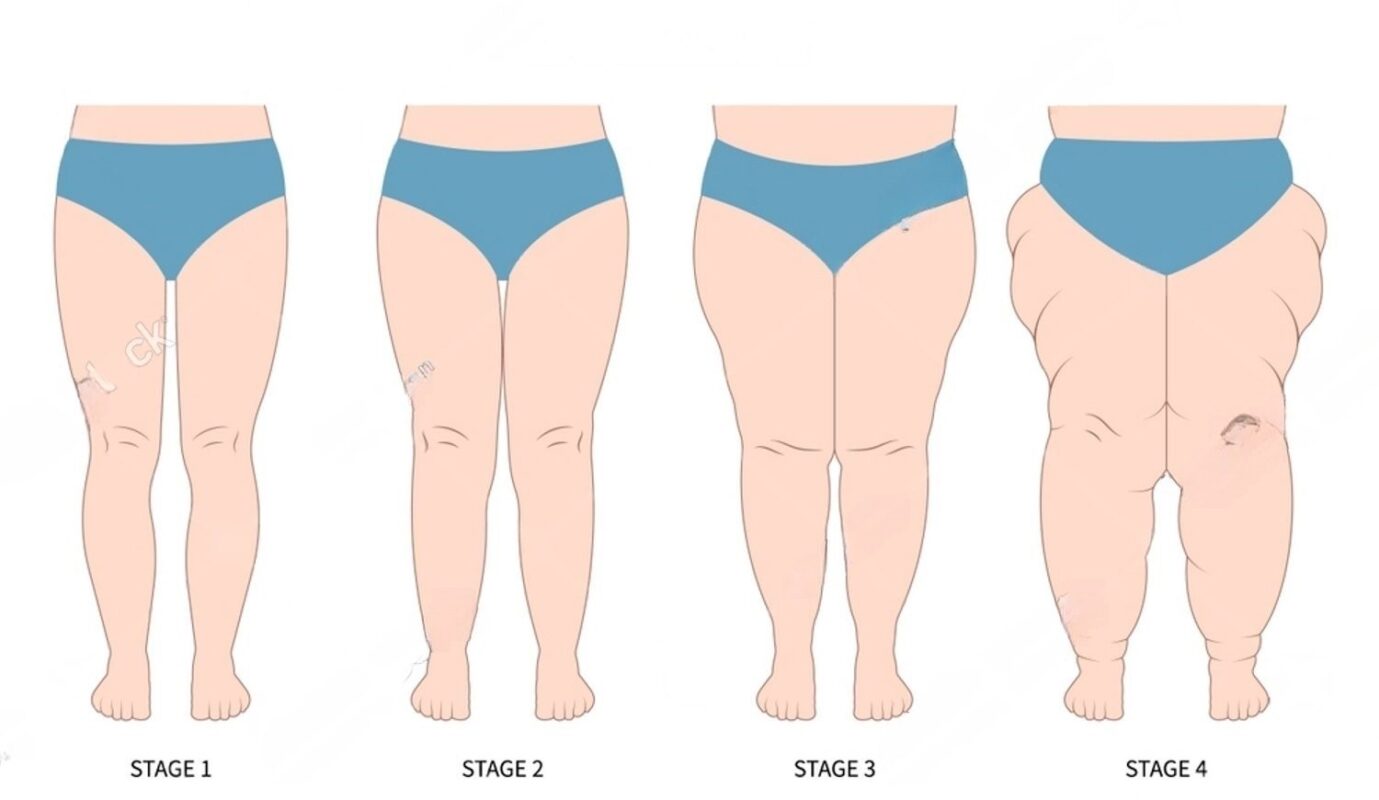
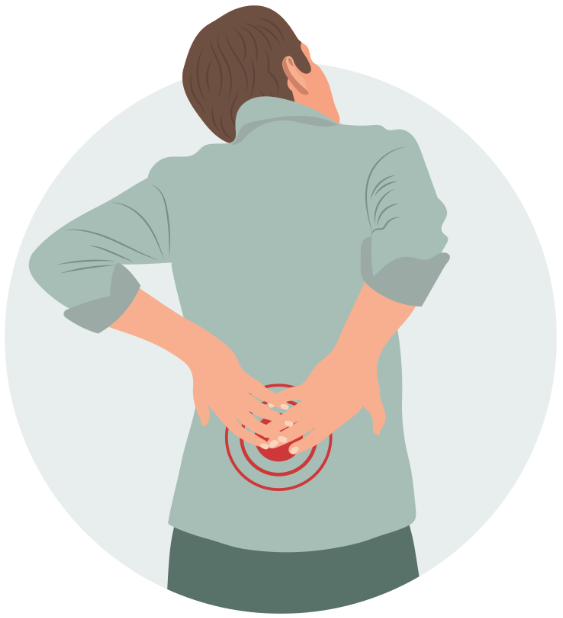
The heavy lipedema fat puts extra load on your spine and joints, pulling down on your lower back. To compensate for leg pain, people often change how they walk, taking shorter steps, turning legs outward, and limiting hip/knee movement. This shifts stress to the lower back. Consequently, pain leads to weakened glutes and deep core muscles, while lower back muscles become tight and overactive. This muscle imbalance is a common finding at Myo Clinic.
Does This Sound Familiar? You might have lipedema if:
- Your legs are tender and swollen, but your feet are slim.
- Your back always hurts, even after stretching.
- Normal workouts worsen symptoms.
- Sitting or standing long makes both legs and back exhausted.
How Physiotherapy Can Help? We focus on both leg and back issues:
- Manual Lymphatic Drainage (MLD): Gentle massage to ease swelling.
- Compression Therapy: Special garments to support legs and improve circulation.
- Targeted Exercise Plans: Low-impact strength, glute/core activation, and posture correction.
- Movement Coaching: Optimizing how you walk, sit, and move to reduce strain.
Crucially, an anti-inflammatory diet is essential to manage the body’s internal inflammation, which significantly impacts lipedema pain and swelling. Without it, progress is often slower.
Finally, If your legs feel heavy and painful and your back constantly aches, don’t ignore it. It could be lipedema. Once other back issues are ruled out, a combined approach of physiotherapy and an anti-inflammatory diet can help you feel stronger, move easier, and reduce both leg and back pain over time.

Dr. Monica Wasfy
Physiotherapist & MLD Therapist

Wow, just perfect 👌
마사지 받고 나니 잠도 잘 오고, 피로도 풀려서 좋아요. 여성들의 건강을 위한 최고의 선택입니다,
Thank you so much! We’re really glad to hear you felt relaxed and slept well after your massage. 😊
Did you have your session with one of our therapists? We’d love to know!
감사합니다! 마사지 후에 편안하게 주무시고 피로가 풀리셨다니 정말 기쁘네요. 😊
혹시 저희 치료사 중 한 분과 세션을 받으셨나요? 알려주시면 감사하겠습니다!