
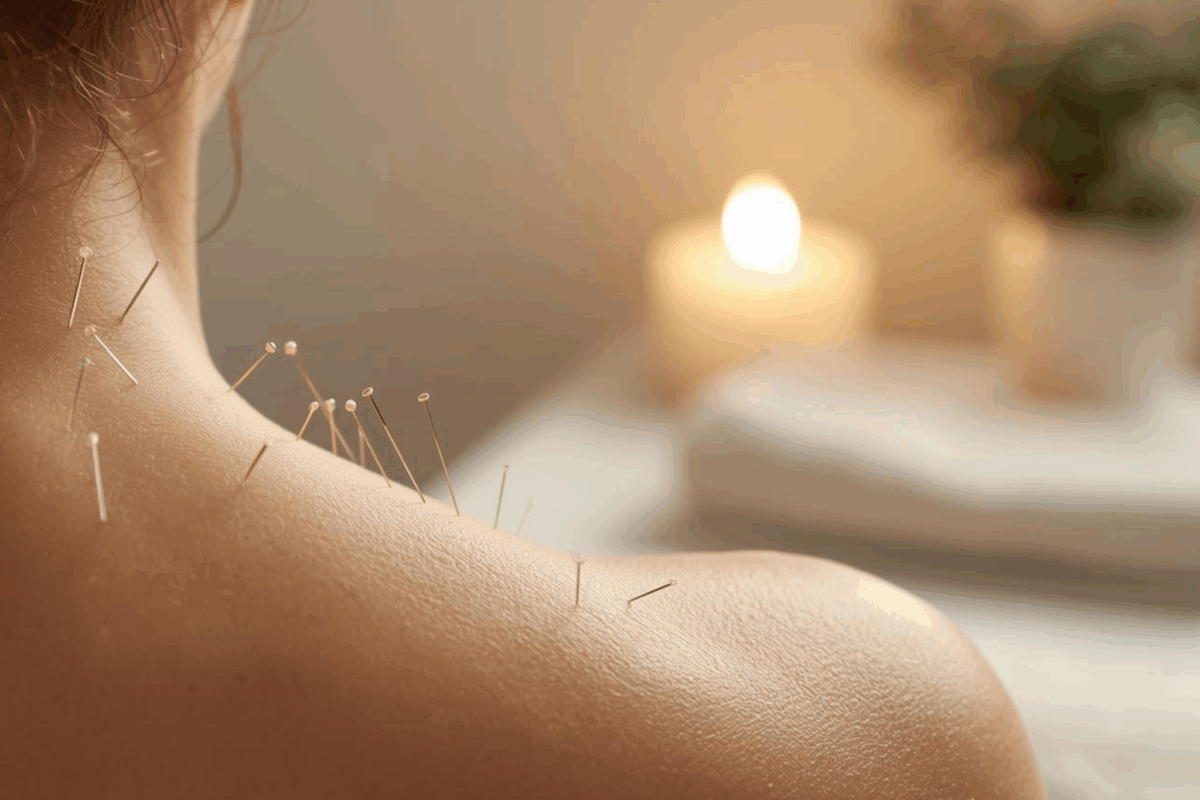
Acupuncture, a key component of traditional Chinese medicine, has been used for thousands of years to relieve pain and promote overall wellness. Today, it’s widely recognized in both Eastern and Western healthcare for its ability to reduce a variety of painful conditions. But how does it actually work?
Acupuncture Restores Balance in Traditional Chinese Medicine
According to traditional Chinese theory, acupuncture works by regulating the flow of Qi (pronounced “chee”)—the body’s vital energy—through pathways known as meridians. Pain is believed to occur when Qi becomes blocked or imbalanced. By inserting fine, sterile needles into specific points along these meridians, an acupuncturist aims to restore proper energy flow, helping the body regain its natural equilibrium and reduce discomfort.
Modern Scientific Perspective About Acupuncture
Modern research offers additional explanations for acupuncture’s pain-relieving effects:
- Stimulation of the Nervous System
Acupuncture needles stimulate nerve endings in the skin and muscles. This triggers the release of neurotransmitters such as endorphins and enkephalins—natural chemicals that help reduce pain and enhance feelings of well-being.
- Improved Blood Flow
Needle insertion increases local circulation. Better blood flow brings oxygen and nutrients to tissues, reduces inflammation, and helps promote healing.
- Modulation of Pain Signals
Studies suggest that acupuncture affects how the brain interprets pain by influencing pain-processing centers. This can lower the intensity of pain signals or interrupt them altogether
- Reduction of Muscle Tension
Acupuncture can relax tight muscles and reduce spasms, which often play a major role in chronic pain conditions like back pain, neck stiffness, or headaches.
Conditions Commonly Treated
Acupuncture has shown promise in managing various types of pain, including:
- Chronic back and neck pain
- Osteoarthritis
- Migraines and tension headaches
- Sciatica
- Fibromyalgia
- Post-surgical or injury-related pain
A Safe, Holistic Approach
When performed by a qualified practitioner, acupuncture is generally safe and minimally invasive. Many people find it a valuable option either on its own or alongside conventional treatments.
